简体中文
 ENGLISH
| Crude Distillation Units - Pressure-Reducing Valve Selection | ||||||||||||||||||||||||||||||||||||||||||||||||||||||||||||||||||||||||||||||||||||||||||
| Release time:2026-11-28 11:55:43 | Views: | ||||||||||||||||||||||||||||||||||||||||||||||||||||||||||||||||||||||||||||||||||||||||||
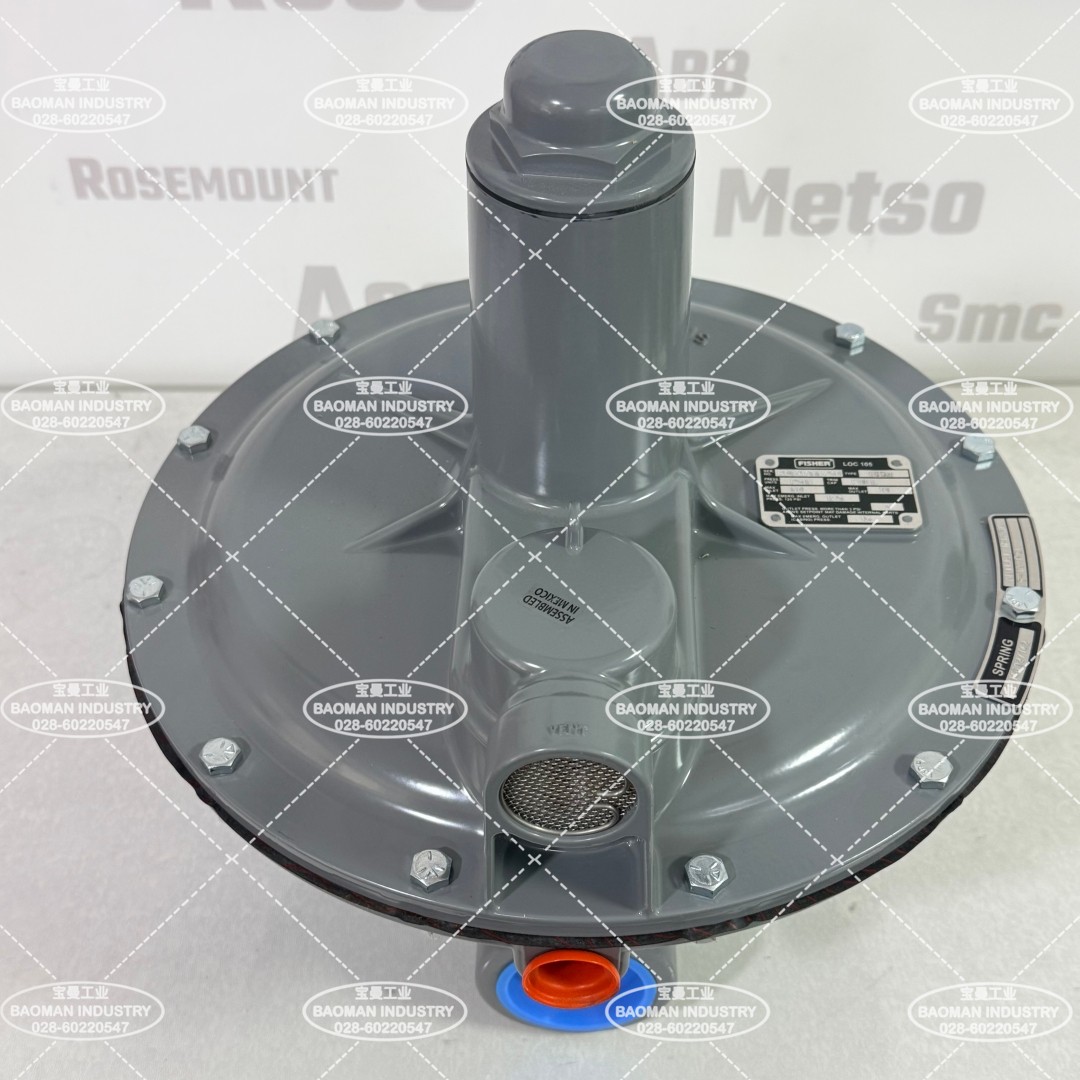
Pressure-reducing valves in crude distillation units are mostly used for steam, fuel gas and water service, with self-operated (direct-acting) and pilot-operated types as the two mainstream constructions. Based on official data for Fisher 92B, 299H and series 133, this article reviews the general selection dimensions of medium, temperature, pressure, material, size, flow characteristic, sealing and explosion protection; specific parameters are subject to the official catalogue, standard texts and design conditions. I. Service Conditions and Product Positioning
Sources: Fisher bulletin 71.2:92, D101342X012; Fisher 299H installation guide D102684X012; Fisher series 133 manual D100270X012.
II. Self-Operated vs Pilot-Operated
Sources: Fisher 299H installation guide D102684X012; Fisher 92B manual D100703X012; Fisher series 133 manual D100270X012. III. Pressure and Size Sizing
Basis: Fisher 299H installation guide D102684X012; Fisher series 133 manual D100270X012; ANSI/FCI 70-2. IV. Materials and Sealing
Sources: Fisher 299H installation guide D102684X012 (PED Category I); ASME B16.5; PED 2014/68/EU. V. Safety and Accessories
Sources: Fisher 299H installation guide D102684X012 (VSX2 / VSX8 slam-shut and internal relief); Ex approvals per nameplate. VI. Selection Guide and Common Configurations
Selection guide: The sequence is: define medium and pressure boundaries, then acting form, then safety accessories. Determine available construction from medium and inlet/outlet pressure, choose self-operated or pilot-operated by flow variation and accuracy, check body, diaphragm and seat, then configure slam-shut, relief and strainer. Parameters are subject to the official catalogue, standard texts and design conditions; no project-specific values are invented. Common models and configurations: Common configurations: Fisher 92B self-operated pressure-reducing valve (D101342X012 / D100703X012), 299H pilot-operated regulator (D102684X012), series 133 (D100270X012); specific models subject to official selection. If you are reviewing control valve selection for a process unit, please send us the medium, temperature, pressure, size and signal requirements. We can review the selection dimensions together against the official catalogue and design conditions. Orders & InquiriesBaoman Industrial Technology (Chengdu) Co., LtdTel: +86 028-60220547 | Email: info@bit-cd.com Address: Room 1108, Building A, Tingbiao Central Plaza, No. 158 Erxianqiao East Road, Chenghua District, Chengdu, Sichuan Province, China The information above is not guaranteed to remain valid at all times. Subsequent changes will not be notified separately. Please confirm the latest information at the time of inquiry. |