简体中文
 ENGLISH
| TOPWORX Limit Switches - Working Principle & Ex Options (Ex ia IS / Ex d Flamepr | |||||||||||||||||||||||||||||||||||||||||||||||||||||||||||||||||||||||||||||||||||||||||||||||||||||||||||||||||||||||||||||||||||||||||||||||||||||||||||||||||||||||||||||||||
| Release time:2026-11-21 13:41:01 | Views: | |||||||||||||||||||||||||||||||||||||||||||||||||||||||||||||||||||||||||||||||||||||||||||||||||||||||||||||||||||||||||||||||||||||||||||||||||||||||||||||||||||||||||||||||||
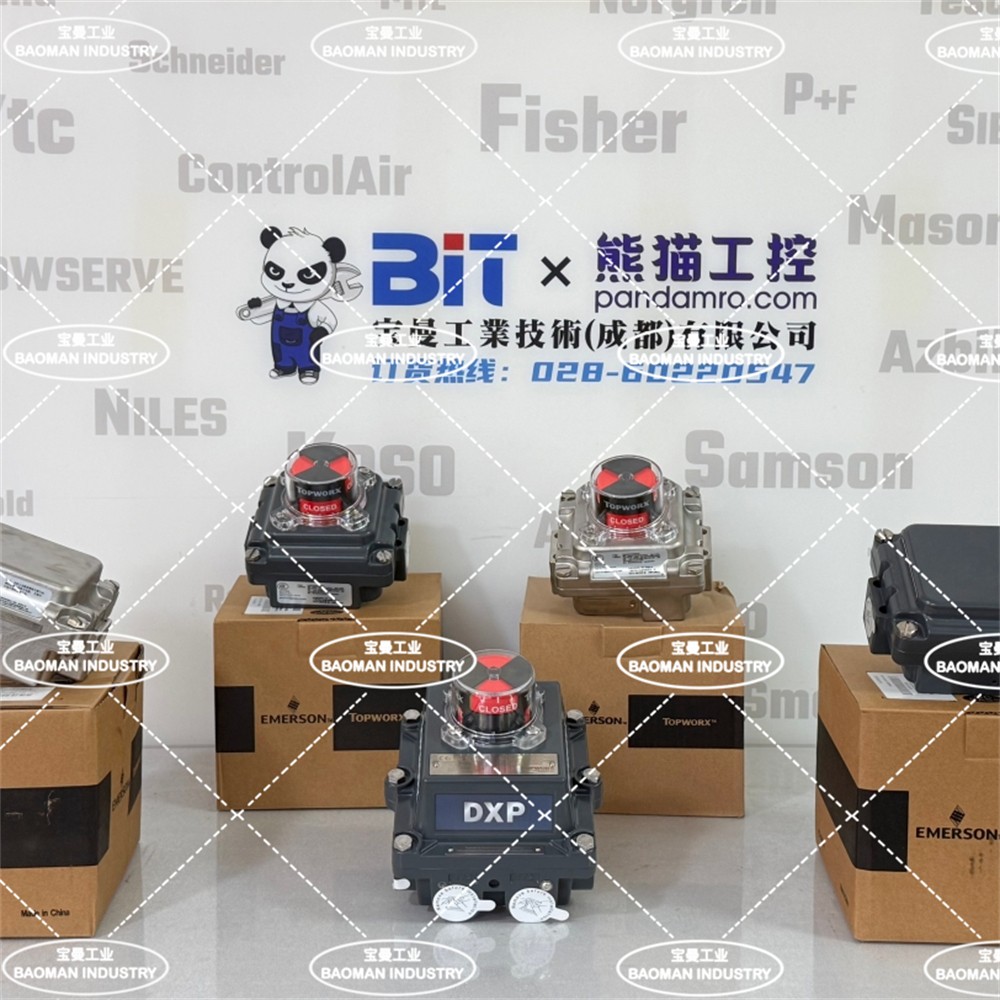
TOPWORX (an Emerson Process Management brand) limit switches and discrete valve controllers are used for open / closed valve position feedback. Their core mechanical principle is that the actuator drives a shaft and cam, and the cam actuates internal contacts or serves as a target for a sensor, generating a valve position signal. This article covers the cam-driven contact principle, the positioning of the DXP / TXP / TXS series, the order code structure, and the key selection rule that Ex ia intrinsic safety is NOT Ex d flameproof enclosure and is uniquely determined by digit 3, the area classification. I. Product Positioning
One key point must be made clear: a limit switch box can be either explosion-protected or non-hazardous, and the Ex form is uniquely determined by digit 3 area classification, independent of the housing series letter D / T and suffix P / S. The idea that "T = non-hazardous, D = flameproof" should not be treated as a rule. The real differences between the DXP and the TXP / TXS lie in mounting, solenoid availability, sensor count and SIL capability, never in explosion protection. Source: TopWorx official Discrete Valve Controller product manual (TOPWORX.pdf), GO Switch product manual (Chinese edition). Brand ownership: TOPWORX belongs to Emerson. Parameters are subject to official manuals and certificates.
II. Working Principle (Cam-Driven Contacts)A limit switch box converts the angular or linear displacement of an actuator into a determinable open / closed electrical signal. In the mechanical contact type, the shaft drives a cam whose lobe pushes the actuator of a microswitch at a preset angle, flipping the contacts. In the proximity / NAMUR type, the cam (or a target plate rotating with the shaft) approaches the sensor to trigger it; the cam no longer pushes the electrical contacts directly but still sets the trigger angle.
The T series uses TwistSet stepless cam adjustment, stainless shaft and fasteners, and up to 4 conduit entries. Mechanical contacts have a wear life, while sealed GO Switch contacts and proximity switches have no lever arms, cams or springs to wear, suiting high-cycle operation and harsh environments. When continuous valve position feedback is required, choose a 4-20 mA / HART transmitter or a bus version rather than a limit switch that only outputs a switching signal. Source: TopWorx official Discrete Valve Controller product manual (TOPWORX.pdf), working principle and TwistSet cam adjustment; GO Switch product manual (Chinese edition). III. DXP / TXP / TXS Listed Separately
The only substantive difference between the TXP and TXS is the housing material; their code structure, ingress protection and Ex rating are identical. Thus TXP-N20GLPM and TXS-N20GLPM are not different Ex ratings but an aluminum housing versus a 316 stainless housing. The DXS is the 316 stainless version of the D series and supports SIL-3 ESD; it belongs to a different platform from the T series TXS and must not be interchanged. Source: TopWorx official Discrete Valve Controller product manual (TOPWORX.pdf), D / T series comparison and housing material and ingress protection tables. IV. Order Code Structure (Digit 3 Determines Ex)The order code is the model followed by 12 digit positions, for example DXP-0H0GN4B, TXP-M20FLPM, TXS-L2CFLPM.
Taking delivered models as examples: in TXP-M20FLPM, M2 = two mechanical SPDT, 0 = Ex ia IIC T4, F = flat knurled indicator, L = extended linear shaft, P = (2)1/2" NPT, M = silicone O-ring; in TXS-L2CFLPM, L2 = two sealed GO Switch SPDT and C = Ex d IIC flameproof (no-solenoid only). Some combined codes such as 0H and N2 are not spelled out in the manual and are subject to the original factory order code / nameplate; nothing is invented. Source: TopWorx official Discrete Valve Controller product manual (TOPWORX.pdf), D series 1.3.2 and T series 1.4.3 order code structure. Digit meanings are subject to the official ordering manual. V. Ex Options: Ex ia is NOT Ex dEx ia intrinsic safety and Ex d flameproof enclosure are two fundamentally different explosion protection principles and must not be confused or substituted: intrinsic safety achieves safety by limiting circuit energy and normally requires a certified safety barrier, while flameproof enclosure relies on a robust enclosure that contains an internal explosion and prevents flame transmission. For this series the choice is uniquely set by digit 3 area classification.
In this delivery, DXP-0H0GN4B, TXP-M20FLPM, TXP-N20GLPM00000N004 and TXS-N20GLPM00000N004 all have digit 3 = 0, i.e. Ex ia IIC T4 intrinsic safety, while TXS-L2CFLPM has digit 3 = C, i.e. Ex d IIC flameproof enclosure. The two Ex forms differ but the approval levels are equivalent; one must not assume that because TXP / TXS are often used for general purpose they cannot be explosion-protected. If an area certificate or combined code is unavailable or uncertain, write "please consult for confirmation" and rely on official data sheets and certificates. Source: TopWorx official Discrete Valve Controller product manual (TOPWORX.pdf), area classification tables 1.3.3 / 1.4.2 and Ex misconception corrections. Ex ia intrinsic safety and Ex d flameproof enclosure are strictly distinguished. VI. Sensors, Switch Ratings and Option Compatibility
Sensor options must be compatible with digit 3 area classification: mechanical M switches cannot be used in area 2, AS / DN / ES buses cannot be used in area 0, PB must be 1 / C / W, and L2 is for no-solenoid versions only; Class I groups A and B require sealing, and DXP fireproof C versions require conduit entry E or M. Verify compatibility item by item before ordering. Source: TopWorx official Discrete Valve Controller product manual (TOPWORX.pdf), sensor / bus table and option compatibility table. VII. Selection Guide and Common ModelsSelection guide: TOPWORX limit switch selection follows the sequence "define series platform, define digit 3 area classification, define sensor and bus, choose display / shaft / conduit / O-ring, choose solenoid / spool / Cv, select area certificate, verify option compatibility". Choose the D series when a discrete valve controller with solenoid / spool / Cv options, up to 6 mechanical switches or SIL-3 ESD is needed; choose the T series (TXP tropical aluminum / TXS 316 stainless) for a compact direct-mount valve position feedback switch on ISO / NAMUR actuators without a bracket. Core red lines: 1. Ex ia intrinsic safety is NOT Ex d flameproof enclosure and is set by digit 3; when unavailable write "please consult for confirmation"; 2. TXP and TXS differ only in housing material with equal Ex rating, while the DXP and T series are different platforms with non-interchangeable codes; 3. in working principle mechanical contacts are pushed by the cam while proximity / NAMUR types are triggered with the cam as a target, and continuous feedback requires a transmitter or bus version; 4. specific approval options, dimensions and order codes are subject to www.topworx.com official data sheets and ordering tools, and nothing is invented. Common models: delivered models DXP-0H0GN4B (D series discrete valve controller, intrinsic safety), TXP-M20FLPM and TXP-N20GLPM00000N004 (T series tropical aluminum, intrinsic safety), TXS-L2CFLPM (316 stainless, Ex d IIC flameproof), TXS-N20GLPM00000N004 (316 stainless, intrinsic safety). Related models include DXP-0H0GNEB, TXP-M21GNPB1A1 (flameproof example), TXS-ASCGNPM1A1 (flameproof example), DXS (SIL-3 ESD) and TVA (engineering resin). If you are selecting a limit switch or valve position feedback device for an actuator, want to decide between the DXP and TXP / TXS or between intrinsic safety and flameproof enclosure, or want to verify an order code and option compatibility, please feel free to contact us. We can check the model and order code together against your mounting interface, area certification and signal type. Orders & InquiriesBaoman Industrial Technology (Chengdu) Co., LtdTel: +86 028-60220547 | Email: info@bit-cd.com Address: Room 1108, Building A, Tingbiao Central Plaza, No. 158 Erxianqiao East Road, Chenghua District, Chengdu, Sichuan Province, China The information above is not guaranteed to remain valid at all times. Subsequent changes will not be notified separately. Please confirm the latest information at the time of inquiry. |
|||||||||||||||||||||||||||||||||||||||||||||||||||||||||||||||||||||||||||||||||||||||||||||||||||||||||||||||||||||||||||||||||||||||||||||||||||||||||||||||||||||||||||||||||