简体中文
 ENGLISH
| Masoneilan Series 35 Spring-and-Diaphragm Actuator - Principle & Selection | ||||||||||||||||||||||||||||||||||||||||
| Release time:2026-11-21 02:05:02 | Views: | ||||||||||||||||||||||||||||||||||||||||
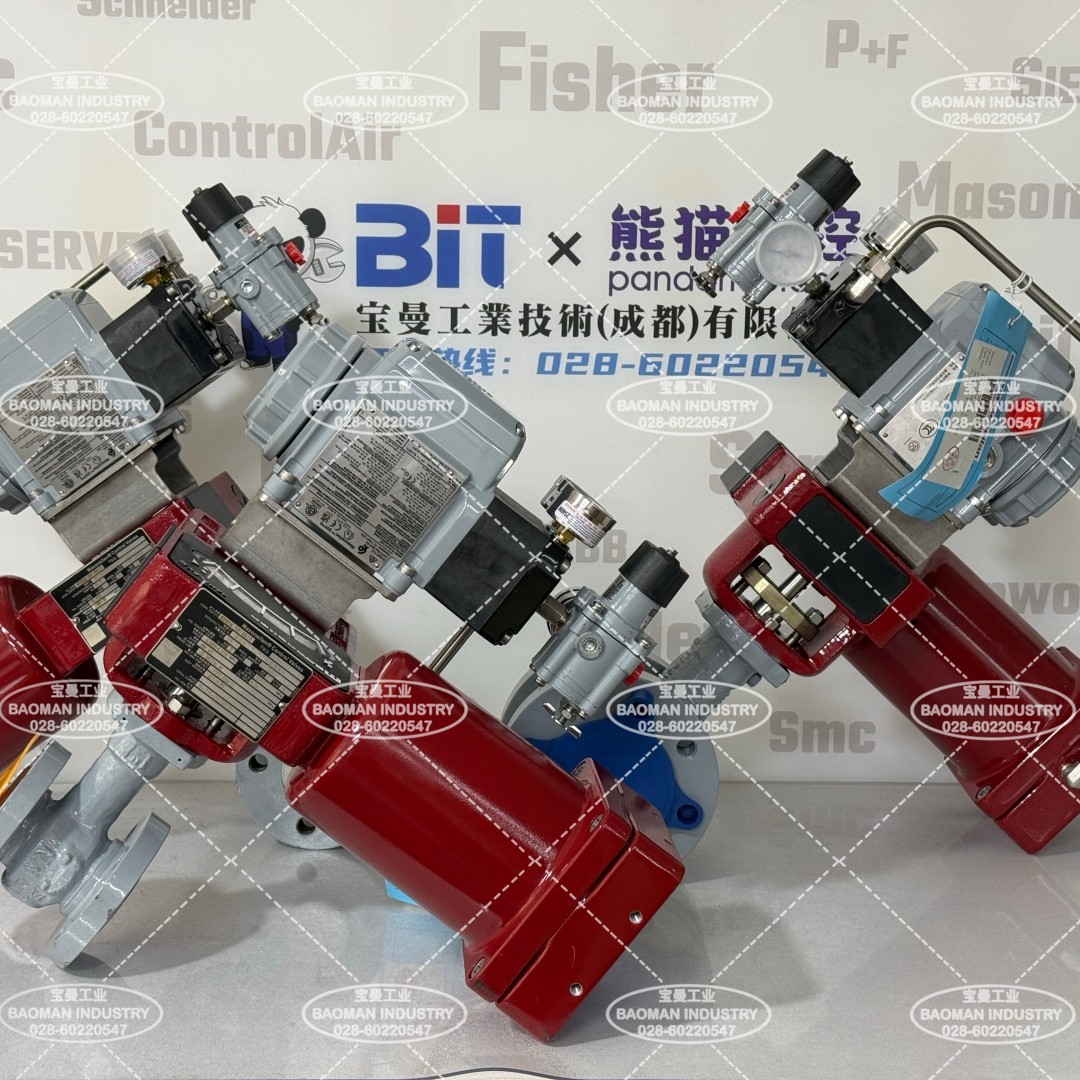
The Masoneilan Series 35 spring-diaphragm actuator is a common actuator for Masoneilan (now part of Baker Hughes) linear control valves. Compressed air drives the diaphragm to produce thrust while a compression spring provides return force, delivering stable linear travel. Understanding its force-balance working principle is the basis for correct selection and positioner matching. This article covers the Series 35 construction, working process, key component roles and selection points; detailed parameters are subject to the official manual and nameplate. I. Product Positioning
The Series 35 is a spring-opposed diaphragm actuator: the signal pressure chamber is above the diaphragm and the spring chamber below. Connected directly to the valve stem, it converts the pneumatic output of a positioner into linear stem movement for throttling control. It belongs to the same Masoneilan actuator family as the Series 37/38 and 87/88, but differs in dimensions, effective area and thrust class, so matching parts and spares are not interchangeable. Source: Masoneilan actuator technical data (Series 35). Specific construction, dimensions and thrust parameters are subject to the official manual and nameplate.
II. Construction
The spring chamber is normally vented to atmosphere, with the diaphragm separating the pressure chamber from the spring chamber. The stem passes through the spring chamber and connects to the valve stem, with the spring sleeved around and precompressed on the stem. The positioner is mounted on the yoke or the side of the actuator and receives stem travel through a feedback arm, forming a position closed loop. Source: general construction description of Masoneilan spring-diaphragm actuators. Specific component types are subject to the official manual drawings. III. Working PrincipleThe Series 35 works in four steps: pressure, thrust, displacement and balance.
The thrust relationship can be expressed as F = P x A: the higher the signal pressure P and the larger the effective diaphragm area A, the greater the output thrust. Spring rate and preload determine the ability to overcome unbalanced forces and hold a stable position. On loss of air, the spring drives the stem to the safe position (air-to-open closes on air failure, air-to-close opens), which is the fail-safe characteristic of a spring-diaphragm actuator. Specific effective area, spring range and thrust values are subject to the official manual and nameplate. Source: Masoneilan spring-diaphragm actuator technical data. Thrust and spring range values are subject to the official manual and are not invented here. IV. Selection Points1. Set the action first: choose air-to-open (fail-close) or air-to-close (fail-open) per process safety, which determines the spring arrangement and signal direction. 2. Then set thrust and area: based on required thrust, differential pressure and unbalanced force, select the size against the effective diaphragm area and spring range with adequate margin; specific values are in the official selection table. 3. Confirm travel: the rated actuator travel must cover the valve travel and fall within the linear range of the positioner. 4. Determine air supply: provide clean, dry, oil-free instrument air and a supply pressure meeting actuator and positioner requirements. 5. Configure accessories: add a handwheel, travel stop, position feedback and positioner bracket as required. Selection should treat the "actuator + valve body + positioner" as a whole: insufficient actuator thrust causes incomplete travel or oscillation; mismatched travel causes positioner tuning failure; accessory mounting must suit the actuator model. The Series 35, 37/38 and 87/88 are different specification families whose brackets and spares are not interchangeable; specific matching is subject to the official selection manual. Source: Masoneilan actuator selection data. Selection boundaries and matching are subject to the official manual. V. Selection Guide & Common ModelsSelection guide: the Series 35 follows the sequence "action, thrust and area, travel, air supply and accessories". First fix air-to-open / air-to-close by the fail-safe requirement; then size the actuator by valve thrust demand and spring range; then verify rated travel against the positioner travel range; finally confirm air quality and pressure and add a handwheel, stop and positioner as needed. For precise positioning and diagnostics, match it with SVi1000 / SVI II AP / SVI3 positioners. For specific ordering codes, ports and certifications, refer to the official ordering table and nameplate. Common models: Masoneilan Series 35 spring-diaphragm actuator (single-acting, spring-return), commonly matched with Masoneilan linear control valves and SVi1000 / SVI II AP / SVI3 digital valve positioners. Specific specification codes and suffixes are subject to the official ordering table. If you are specifying an actuator for a linear valve, or want to verify the thrust and travel match between a Series 35 actuator, the valve and the positioner, please feel free to contact us. We can review the actuator size and matching scheme together against your valve size, differential pressure, fail-safe requirement and air supply. Orders & InquiriesBaoman Industrial Technology (Chengdu) Co., LtdTel: +86 028-60220547 | Email: info@bit-cd.com Address: Room 1108, Building A, Tingbiao Central Plaza, No. 158 Erxianqiao East Road, Chenghua District, Chengdu, Sichuan Province, China The information above is not guaranteed to remain valid at all times. Subsequent changes will not be notified separately. Please confirm the latest information at the time of inquiry. |