简体中文
 ENGLISH
| Masoneilan 496 Series Position Switches & Transmitters - Complete Technical Data | |||||||||||||||||||||||||||||||||||||||||||||||||||||||||
| Release time:2026-11-20 00:46:35 | Views: | |||||||||||||||||||||||||||||||||||||||||||||||||||||||||
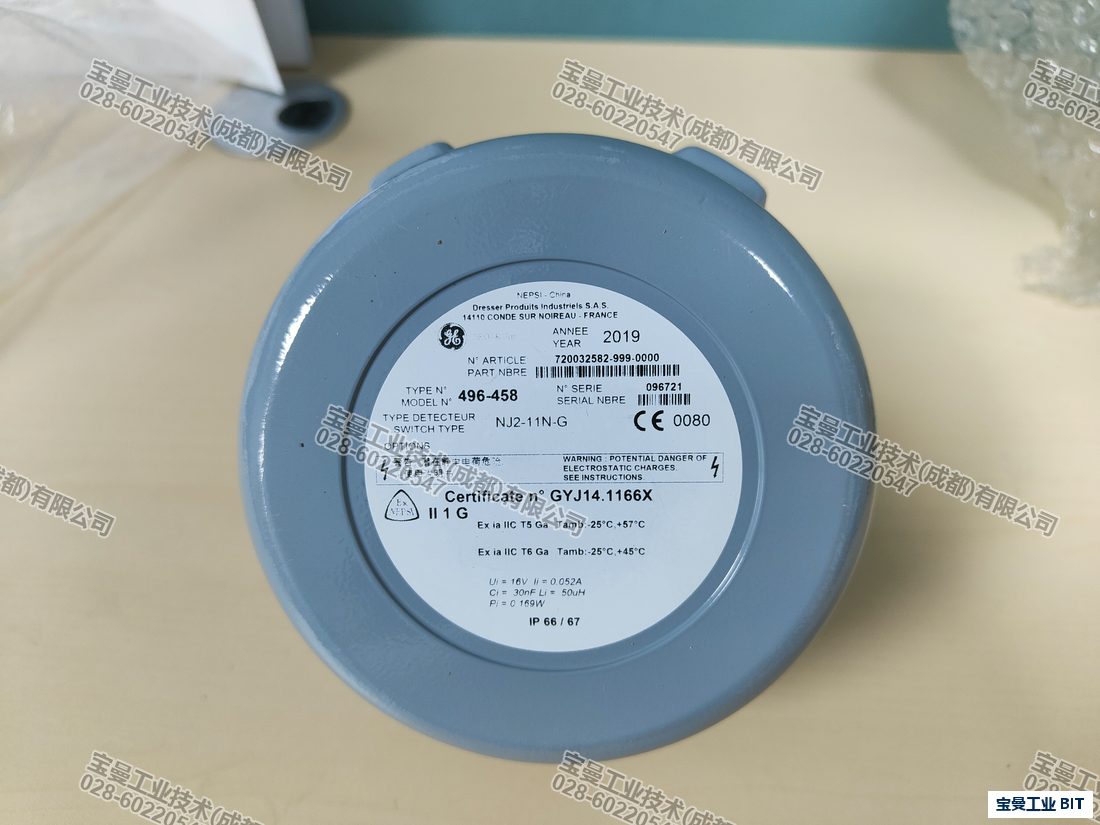
The Masoneilan 496 Series indicates control valve travel position using switches and transmitters. It is available with on-off detection, continuous detection, or a combination of both. Please note that the 496 Series is a position switch / transmitter device, not a pressure regulator. This article covers its technical data, detection methods, numbering systems and selection points, based on the official fact sheet (GEA19703). I. Product Positioning
Source: Masoneilan 496 Series fact sheet (GEA19703, 07/2012).
II. Core Technical Data
Source: Masoneilan 496 Series fact sheet (GEA19703). This fact sheet does not list contact ratings, voltage levels, temperature range, accuracy or IP rating; please consult to confirm these details. III. Detection Methods & ConstructionOn-off versions of the 496 Series use electromechanical switches (micro switches) or proximity detectors. Continuous versions use opto-electronic position transmitters in the European design and potentiometric position transmitters in the US design. The two functions can be combined in one device — for example, the European 496-857/2 is an opto-electronic transmitter with two additional SPDT switches. Proximity detectors and opto-electronic transmitters have no mechanical contact, so they are largely unaffected by vibration and electrical interference, with very low running friction and long service life. The body and cover are made of epoxy-painted anodized aluminum, and protection can meet explosion-proof, dust-proof and weatherproof requirements in accordance with ATEX 94/9/EC. Source: Masoneilan 496 Series fact sheet (GEA19703). IV. Numbering SystemsThe official fact sheet gives two numbering systems; determine which design applies before selecting. European design (496-ab/c): digit a is the instrument type — 1 = one SPDT electromechanical switch, 2 = two SPDT switches, 4 = one proximity detector, 5 = two proximity detectors, 6 = one DPDT switch, 7 = two DPDT switches, 8 = opto-electronic position transmitter. Digit b is protection — 55 = weatherproof, 57 = explosion-proof and weatherproof (ATEX), 58 = intrinsically safe and weatherproof (ATEX); the source notes that if b is omitted, explosion-proof and weatherproof is the default. Digit c is an additional switch, available only on the 496-8 transmitter with a leading slash; codes 1/2/4/5/6/7 correspond to the same switch types as digit a. US design (496-a): only instrument type digit a is present — 1 = one SPDT switch, 2 = two SPDT switches, 3 = potentiometric position transmitter, 6 = one DPDT switch, 7 = two DPDT switches; there is no protection digit b and no additional switch digit c. Key differences: the European design covers types 1/2/4/5/6/7/8 with an opto-electronic continuous transmitter, proximity detectors and a protection digit; the US design covers 1/2/3/6/7 with a potentiometric continuous transmitter and no proximity detectors or protection digit. Source: Masoneilan 496 Series fact sheet (GEA19703). The manufacturer notes that some combinations may not be available or may not fully comply with all protection standards; confirm with the manufacturer. V. Model Enumeration
Source: Masoneilan 496 Series fact sheet (GEA19703). VI. Selection Guide & Common ModelsSelection guide: Selection starts by distinguishing European design (496-ab/c) from US design (496-a). For continuous position transmission with non-contact sensing, choose the European 496-8 series (opto-electronic); in the US design, the continuous version is the potentiometric 496-3. Next, select the protection segment (55 / 57 / 58) according to site hazardous-area requirements, then add additional switches if needed (available only on the 496-8). Before selection, also confirm whether the valve is rotary or linear and whether on-off and continuous functions must be combined. The manufacturer explicitly notes that some combinations may not be available or may not fully comply with all protection standards — confirm at the time of inquiry. Common models: 496-857 and 496-857/2 (European opto-electronic transmitters, with or without additional switches), 496-1 / 496-2 (SPDT switches), 496-4 / 496-5 (proximity detectors), and 496-3 (US potentiometric transmitter). If you are specifying position feedback for a control valve, or want to confirm the European / US codes and switch combinations of the 496 Series, please feel free to contact us. We can check the model and configuration together against your valve type, signal requirement and protection level. Orders & InquiriesBaoman Industrial Technology (Chengdu) Co., LtdTel: +86 028-60220547 | Email: info@bit-cd.com Address: Room 1108, Building A, Tingbiao Central Plaza, No. 158 Erxianqiao East Road, Chenghua District, Chengdu, Sichuan Province, China The information above is not guaranteed to remain valid at all times. Subsequent changes will not be notified separately. Please confirm the latest information at the time of inquiry. |